
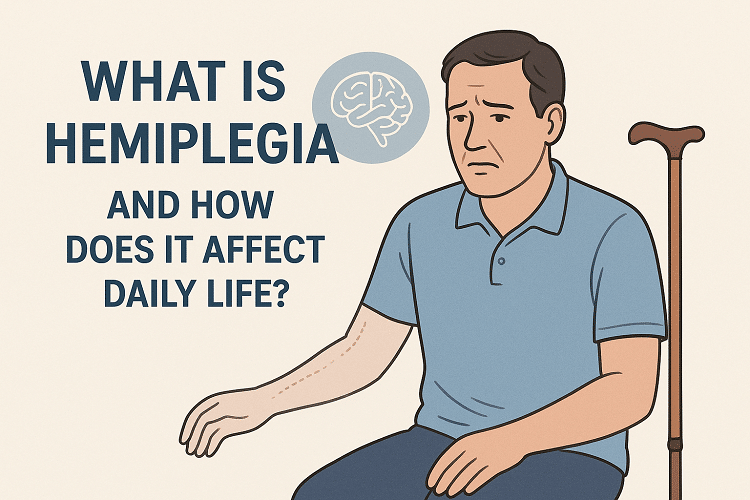
What Is Hemiplegia?
Hemiplegia is paralysis on one side of the body. Think of your brain as a command center, sending signals through a complex network of nerves to tell your limbs what to do. When a part of this command center is damaged, the messages can’t get through. This results in weakness or a complete loss of movement in the arm, leg, and sometimes the face on the opposite side.
It’s crucial to know that hemiplegia is a symptom, not the disease itself. It’s your body’s signal that something has happened within your nervous system. The degree of paralysis can vary greatly; for some, it might be a profound weakness, while for others, it could be a complete inability to move the affected side.
Common Hemiplegia Causes
To address hemiplegia, we must look at its source. The most common hemiplegia causes are often related to events that affect the brain.
• Stroke: This is the leading cause. A stroke happens when the blood supply to a part of your brain is interrupted, causing brain cells to die. This damage can directly affect the area that controls movement on one side of the body.
• Traumatic brain injury (TBI): Accidents, especially those on the road, can cause injuries that lead to hemiplegia. The fast-paced life here means we must always be mindful of safety.
• Cerebral palsy: This is a condition present from birth, where damage to the developing brain affects muscle control and coordination.
Other causes: These can include brain tumors, infections like meningitis or encephalitis, or neurological conditions such as Multiple Sclerosis. Understanding the cause is vital because it guides the entire treatment approach. It’s the map that shows us where we need to focus our healing efforts.
Recognizing The Signs: Key Hemiplegia Symptoms
The hemiplegia symptoms are often sudden and unmistakable. However, sometimes they can be subtle at first. Being aware of them can lead to faster medical intervention, which is critical.
The primary symptom is, of course, weakness or paralysis on one side of the body. But this often comes with other signs:
• Difficulty walking, loss of balance, or a dragging foot.
• Struggling with fine motor tasks like writing, buttoning clothes, or holding a cup.
• Muscle stiffness (spasticity) or floppiness on the affected side.
• A loss of sensation or strange tingling sensations.
• Overwhelming fatigue that doesn’t match the activity.
If you notice any of these signs in yourself or a loved one, seeking immediate medical attention is the first and most important step.
How Hemiplegia Impacts Daily Activities?
The true challenge of hemiplegia is often felt in the quiet, everyday moments. The hemiplegia in daily life is profound and multifaceted.
• Mobility and movement challenges: Simple acts we take for granted become significant hurdles. Navigating the spacious malls, climbing into a car, or even walking from the bedroom to the kitchen can feel like a marathon. Muscle stiffness can be aggravated by the UAE heat, adding another layer of difficulty to movement.
• Communication and cognitive effects: Depending on which side of the brain is affected, speech can become slurred or difficult to understand (a condition known as aphasia). Some may also experience challenges with memory, concentration, or problem-solving, making it hard to manage finances or follow a conversation.
• Emotional and psychological impact: This is perhaps the heaviest burden. The frustration of a body that won’t obey, the grief for lost independence, and the fear of the future can lead to anxiety, depression, and social isolation. In our close-knit communities, the feeling of being a burden on one’s family can be particularly distressing.
Treatment And Rehabilitation Options
Our treatment plan is a harmonious blend of therapies designed to:
- Nourish the nervous system (dhee dhairya): Through specific herbal formulations (like Ashwagandha and Brahmi), we work to strengthen the nervous tissue and support neurological repair from within.
- Restore movement with panchakarma: This is the cornerstone of Ayurvedic healing. Treatments like Abhyanga (synchronized herbal oil massage), Shastikashali Pinda Sweda (a bolus massage with medicated rice), and Basti (medicated enema) are profoundly effective. They help to:
• Reduce muscle spasticity and stiffness.
• Improve blood circulation to the affected limbs.
• Detoxify the body and mind.
• Revitalize the senses and restore energy. - Reclaim with lifestyle support: We guide you on dietary choices that pacify Vata dosha, recommend gentle yoga postures adapted to your ability, and provide counsel on daily routines (Dinacharya) that bring stability and peace to your life.
Tips For Patients And Caregivers
This journey is a partnership. Here are some ways to navigate it:
• For Patients
Be patient and kind to yourself. Celebrate small victories—lifting a finger, standing for a few more seconds. Your worth is not measured by your mobility.
• For Caregivers
Your support is invaluable, but remember to care for yourself, too. Create a safe home environment by removing trip hazards. Encourage independence, but be there to assist without fostering a sense of dependence. Most importantly, listen with your heart.
Hemiplegia presents a formidable challenge, but it is one you do not have to face alone. Contact Swasthya Ayurveda today to schedule a consultation.